

Blog
Lighting Psychology: How Ambient Colors Affect Your Mood and Sleep

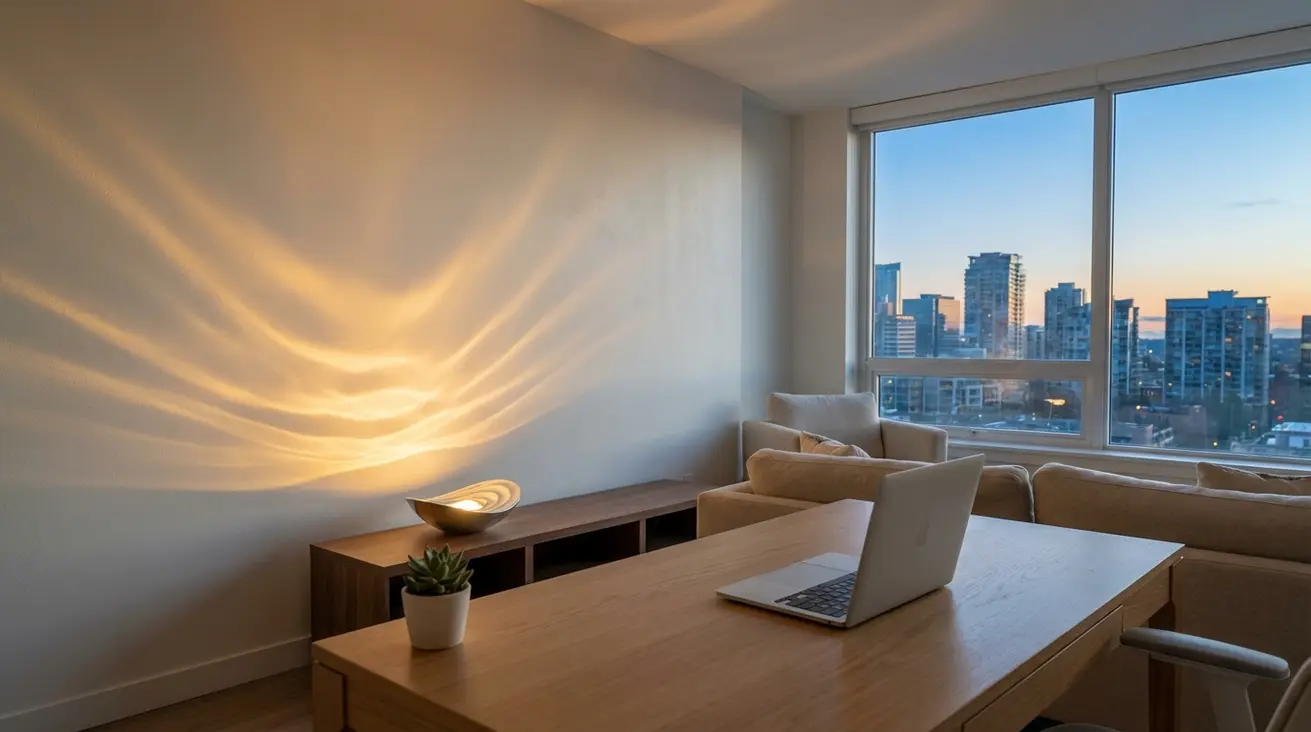
We have all experienced the stark, almost clinical shift in mood when walking from a sun-drenched street into a windowless office illuminated by buzzing fluorescent tubes. The change is visceral. Your energy drops, a subtle headache might begin to form, and the environment feels undeniably hostile. Conversely, settling into a living room bathed in the soft, golden glow of evening lamps instantly signals the body to relax. This is not merely a preference for aesthetics; it is a deep-seated biological response. Light is more than a tool to help us see; it is the primary synchronizer of our internal biological clocks and a potent modulator of our emotional state.1 In 2026, understanding the psychology of lighting and the impact of ambient color is no longer just for interior designers—it is a crucial component of holistic health and mental well-being.
For decades, we treated lighting as a binary utility: on or off, bright or dim. We now understand that the quality, color, and timing of light are just as important as the intensity. The human eye contains specialized photoreceptors that have nothing to do with vision and everything to do with regulating our hormones. When these receptors detect specific wavelengths of light, they send signals directly to the brain’s hypothalamus, influencing everything from melatonin production to serotonin levels. By mastering the art of ambient lighting, you can effectively hack your biology, engineering an environment that promotes intense focus during the day and deep, restorative sleep at night.
The Biological Mechanism: Light as a Drug
To understand how color affects mood, we must first look at the mechanism behind the magic. The human body operates on a circadian rhythm, a roughly 24-hour cycle that governs our sleep-wake patterns.2 This rhythm is primarily dictated by the sun.3 For millennia, our ancestors were exposed to the bright, blue-enriched white light of the sun during the day and the warm, amber glow of fire at night. Our biology evolved to interpret these color shifts as direct commands. Blue light signals “awake, alert, hunt,” while red and amber light signals “rest, recover, sleep.”
Modern life has disrupted this ancient connection. We are now bathed in artificial light that does not match the time of day. Sitting under cool white LEDs at 10:00 PM sends a confusing signal to the brain, suppressing the production of melatonin—the sleep hormone—and keeping cortisol levels artificially high. This misalignment is a leading cause of the modern sleep epidemic and chronic low-level anxiety. Understanding lighting psychology is essentially about re-aligning our artificial environments with our biological needs.4 It involves choosing specific ambient colors to trigger the desired physiological state, rather than letting default factory settings dictate our mood.
The Kelvin Scale: Decoding Warm vs. Cool
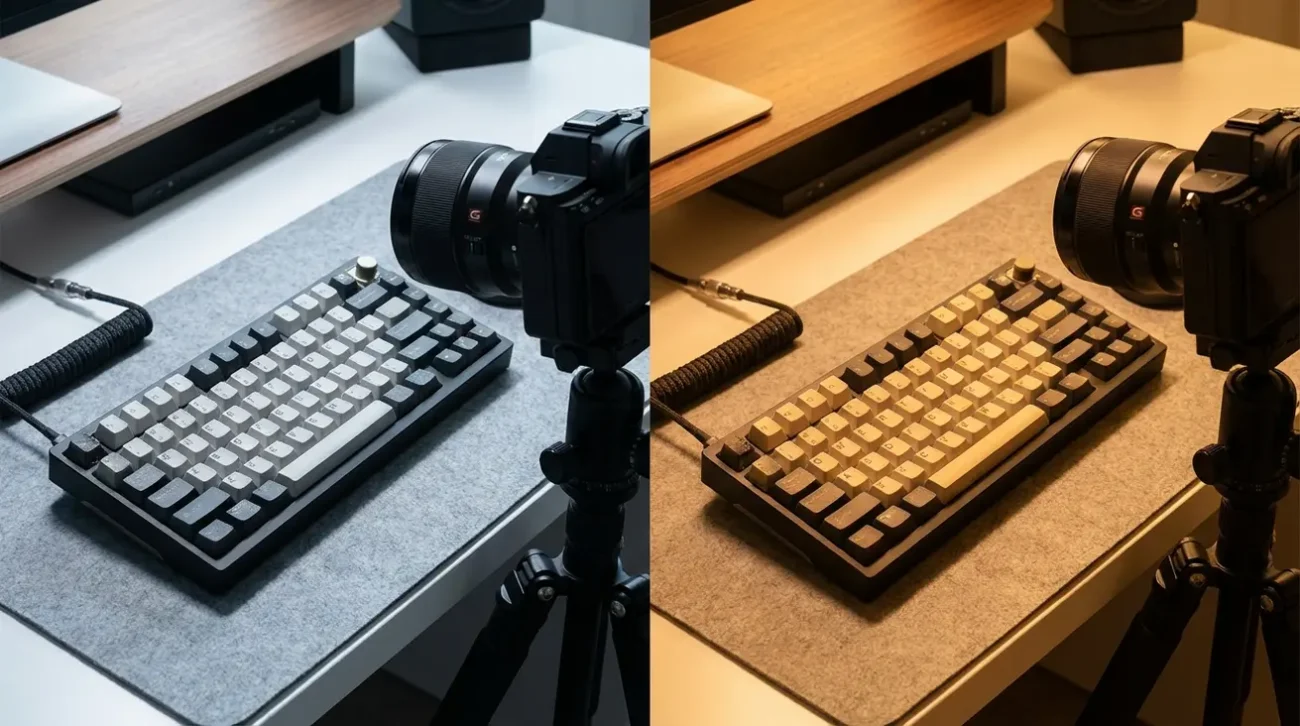
The language of lighting psychology is written in Kelvins (K), a unit of measurement used to describe the color temperature of a light source. This scale is the foundation of setting the mood in any space. On the lower end of the spectrum, around 1500K to 3000K, we find “warm” light.5 This mimics the hues of candlelight, sunsets, and incandescent bulbs. Psychologically, this range promotes intimacy, relaxation, and safety. It softens facial features and makes a large room feel cozy. It is the spectrum of recovery.
On the higher end, from 4000K to 6500K and beyond, we have “cool” or “daylight” white.6 This light contains more blue wavelengths and appears crisp, stark, and energetic. Psychologically, this range stimulates concentration and efficiency.7 It is the spectrum of action. A mistake many people make is installing high-Kelvin “daylight” bulbs in bedrooms or living areas, thinking “brighter is better.”8 The result is a space that feels like a sterile laboratory or a 24-hour convenience store, making it nearly impossible for the occupants to wind down. Conversely, using warm, dim lighting in a home office can lead to lethargy and eye strain. The secret to a balanced home is zoning your lighting based on the intended activity and the time of day.
The Blue Light Paradox: Focus vs. Fatigue
Blue light has become the villain of the wellness world, often blamed for eye strain and insomnia.9 However, the reality is nuanced. Blue wavelengths (around 460-480 nanometers) are the most potent regulators of the circadian rhythm. During the morning and early afternoon, exposure to blue-enriched light is vital. It halts melatonin production, boosts alertness, elevates mood, and improves reaction times. In fact, “sad lamps” used to treat Seasonal Affective Disorder (SAD) rely heavily on this part of the spectrum to trick the brain into thinking it is a sunny summer day.
The problem arises when this exposure continues past sunset. In the evening, blue light becomes a disruptor.10 Even a small amount of blue exposure from a smartphone screen or a cool-white LED lamp can trick the brain into thinking it is noon.11 This delays the onset of sleep and reduces the quality of deep REM sleep, leading to grogginess the next morning. The psychological impact of chronic evening blue light exposure includes increased irritability and a reduced ability to manage stress.12 Therefore, the goal is not to eliminate blue light, but to strictly manage its timing: embrace it at 9:00 AM, and banish it by 8:00 PM.
The Sanctuary of Red and Amber
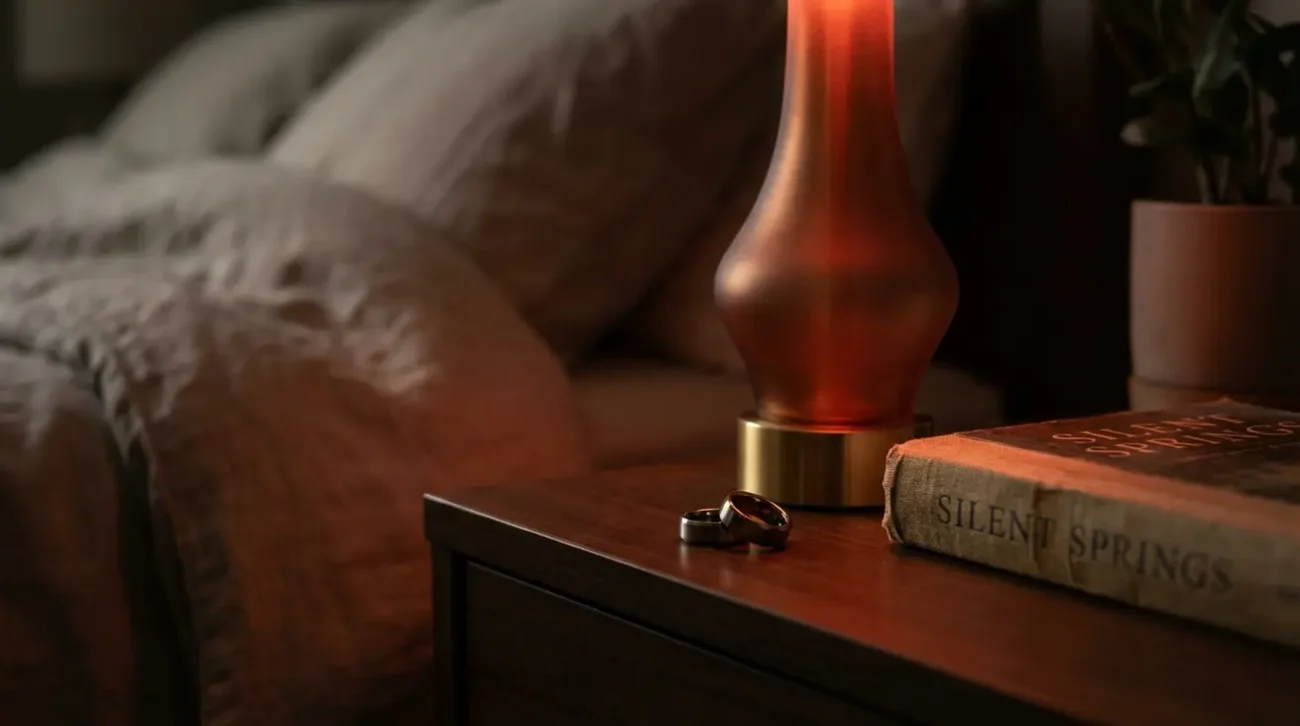
If blue is the caffeine of the lighting world, red and amber are the chamomile tea. As we move down the spectrum towards longer wavelengths, the light loses its ability to suppress melatonin. Red light, in particular, has almost no impact on our circadian clock, making it the perfect ambient color for late-night illumination. Psychology studies suggest that red and deep amber environments can lower heart rate and induce a state of mental calmness. This is why high-end spas and sleep clinics often utilize warm, dim lighting in their relaxation zones.
Implementing this in a residential setting transforms the evening routine. Transitioning your living space to amber hues (around 1800K-2200K) two hours before bed acts as a “visual lullaby.” It signals to the body that the day is done. This shift can be achieved through smart bulbs that automatically warm up as the sun sets, or simply by using floor lamps with vintage-style Edison bulbs. The psychological effect is a sensation of wrapping oneself in a warm blanket; the mind stops racing, and the transition to sleep becomes a natural slide rather than a forced battle.
Green Light: The Underestimated Healer
While warm and cool whites dominate the conversation, green light is emerging as a powerful tool in lighting psychology.13 Research indicates that green light is non-threatening and easy for the visual system to process. It sits right in the middle of the visible spectrum. There is growing evidence that specific bands of green light can reduce pain sensitivity and migraine severity.14 For individuals who suffer from chronic headaches or light sensitivity, a soft green ambient glow can be soothing where other colors are piercing.
Psychologically, green is inextricably linked to nature. We are wired to find comfort in green environments, a concept known as biophilia. While we rarely bathe our rooms in neon green light, utilizing smart lighting to create subtle, forest-green accents can evoke the tranquility of the outdoors. This can be particularly effective in reading nooks or meditation spaces. It promotes a feeling of balance and restoration, distinct from the drowsy effect of amber or the stimulating effect of blue.15 It offers a “mindful alertness” that is conducive to reading or quiet contemplation.
Violet and Pink: Creativity and Emotion
Venturing into the more unnatural colors, we find violet and pink. These are not typically found in natural lighting cycles, so our biological response to them is less about circadian rhythm and more about emotional association. Pink lighting, often dubbed “Baker-Miller Pink” in specific shades, has been observed to have a tranquilizing effect, reducing aggression and hostility.16 It creates a soft, flattering environment that can enhance feelings of affection and comfort, making it a unique choice for intimate spaces.
Violet and purple, on the other hand, are often associated with creativity and luxury.17 Because these colors rarely occur in nature at high intensities, they feel magical and dreamlike. For creative professionals—writers, artists, musicians—using a wash of purple light in a studio can help detach the mind from the mundane reality of the day-to-day, fostering a headspace where unconventional ideas can flourish. It is a color of introspection. However, these saturated colors should be used as accents or temporary “moods” rather than primary illumination, as they can distort color perception and become fatiguing over long periods.
The Architecture of Shadow
Lighting psychology is not just about the light itself, but also about where the light isn’t. Uniform, flat lighting—where every corner of the room is equally bright—is psychologically numbing. It removes texture and depth, making a room feel institutional. To create a mood, you need shadow. Shadows create contrast and drama; they define the boundaries of a space and create “pools” of light that invite you to sit within them.
This concept is critical for relaxation. A reading chair illuminated by a single warm focused beam, while the rest of the room falls into semi-darkness, creates a psychological “cocoon.” It focuses attention on the book and the self, blocking out the visual clutter of the rest of the room. This high-contrast lighting mimics the feeling of sitting by a campfire, tapping into a primal sense of security. In contrast, a kitchen needs low-contrast, shadow-free lighting for safety and cleanliness. Understanding when to use a flood of light and when to use a spotlight is key to defining how a room feels emotionally.
Smart Lighting and the Automated Home
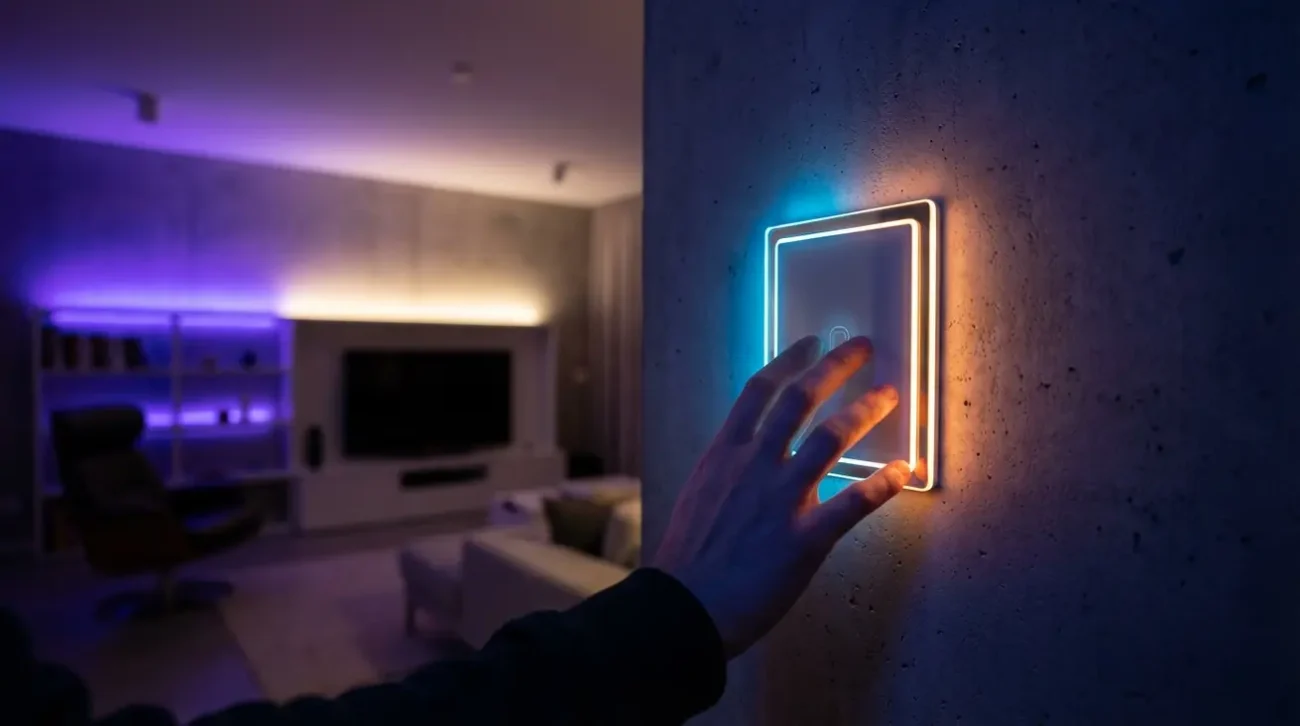
In 2026, we have the technological advantage of “human-centric lighting” or circadian lighting systems.18 We no longer have to choose a single color temperature for a fixture and live with it forever. Smart ecosystems allow our homes to mimic the sun automatically.19 A kitchen pendant can blast 6000K focus light while you are brewing coffee at 7:00 AM, fade to a neutral 4000K for lunch, and melt into a candlelight-mimicking 2000K for a dinner party.
This automation removes the friction from lighting psychology. You don’t have to remember to dim the lights; the house does it for you. This creates a subconscious entrainment of your rhythm. Your environment gently pushes you toward sleep as the evening progresses, without you needing to make a conscious decision to wind down. This is the ultimate application of lighting psychology: an environment that proactively takes care of your mental state.
Practical Application: Room by Room Guide
To maximize the benefits of ambient color, we must look at the specific function of each room. In the bedroom, the rule is absolute warmth and low intensity. Avoid ceiling lights entirely in the evening. Use bedside lamps with warm bulbs (under 2700K) or smart lights set to deep red/orange. This signals safety and prepares the body for melatonin release.
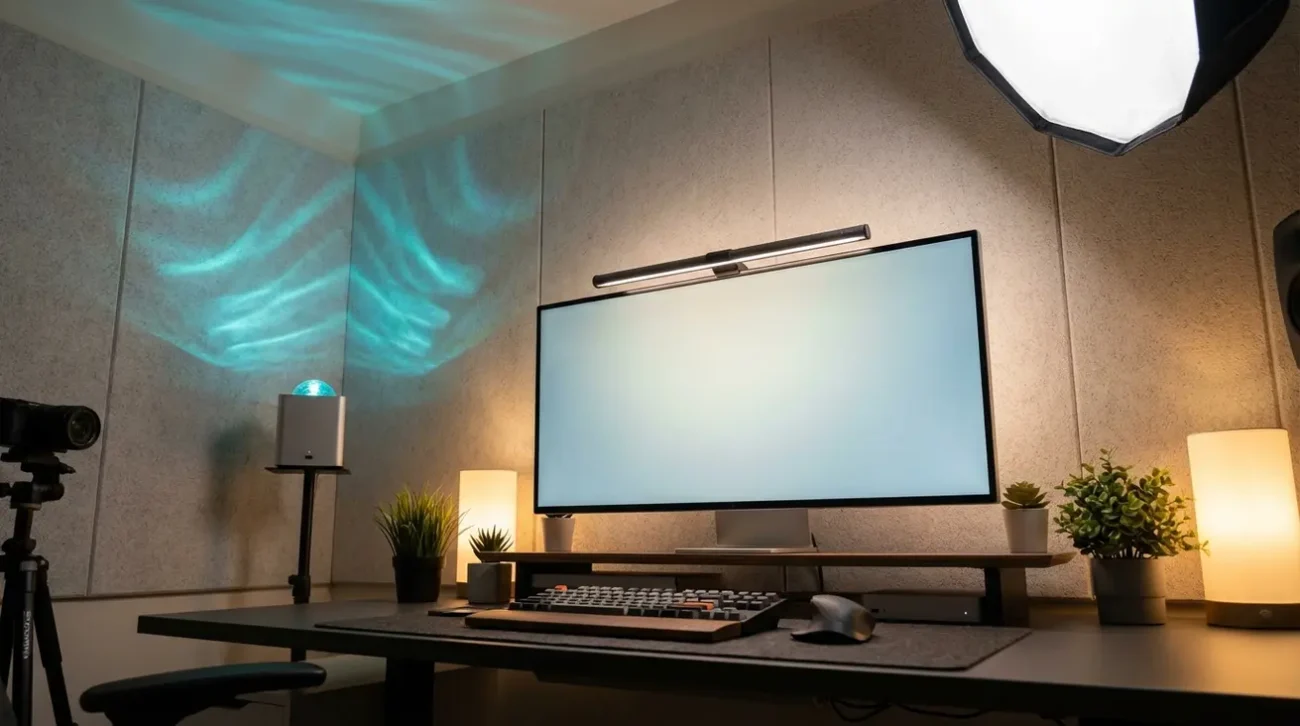
In the home office, the strategy flips. You need a higher baseline of brightness and a cooler temperature (3500K-5000K) to maintain alertness. However, positioning is key to avoiding glare. Indirect light that bounces off walls or ceilings is superior to direct downlighting, which can cause eye fatigue.20
The living room requires flexibility. This is a multi-purpose space used for socializing, reading, and watching TV. Here, layered lighting is essential. Use distinct “zones” of light—a lamp by the sofa, LED strips behind the TV, a dimmer on the overhead fixture.21 This allows you to shift the psychological tone of the room from “family game night” (bright, energetic) to “movie night” (dark, immersive) in seconds.
The bathroom is often the site of the biggest lighting mistakes.22 Brushing your teeth under harsh, cool-white vanity lights right before bed is a biological disaster—it’s like staring into the sun. Ideally, bathrooms should have a dual setting: bright for morning grooming and a dim, motion-activated warm night-light for evening visits, preserving your sleep state.
Taking Control of Your Environment
We often underestimate how much our environment dictates our internal state. We feel sluggish and blame our diet; we feel anxious and blame our workload. Often, the invisible hand influencing these feelings is the light entering our eyes. By taking control of the ambient colors in your home and workspace, you move from being a passive recipient of your environment to an active architect of your mood.
Lighting is the most immediate and effective biohack available. It requires no medication, no rigorous training, and no radical lifestyle changes.23 It simply requires a switch. Whether you are seeking sharper focus, deeper sleep, or a calmer mind, the solution often starts with the flip of a switch or the tap of an app. In a world that is increasingly chaotic, your personal space should be a bastion of biological harmony, lit in a way that supports the best version of yourself.
