
Blog
5 Viral Lighting Trends That Transform Boring Rooms Into Sanctuaries

Social media feeds and interior design algorithms have fundamentally shifted how we perceive our living spaces, moving us away from utilitarian setups toward hyper-curated, emotion-driven environments. In 2026, the concept of the “sanctuary” is the dominant force in home decor, and lighting is the primary tool used to achieve it. We have collectively declared war on the “big light”—the harsh, overhead ceiling fixture that flattens features and kills ambiance. Instead, a wave of viral trends has introduced a layered, atmospheric approach to illumination that prioritizes mood over raw brightness. These trends are not merely about visibility; they are about painting a room with photons to evoke safety, warmth, and ethereal beauty.
Transforming a boring, boxy room into a sanctuary does not require a full renovation or knocking down walls. The power of these viral lighting trends lies in their accessibility and immediate impact. Whether you are renting a small apartment or upgrading a dedicated media room, the strategic use of light can alter the perceived dimensions and texture of a space. By adopting these modern techniques, you are essentially stage-managing your life, creating backdrops that support relaxation, creativity, and intimacy. Here are the five lighting movements currently dominating the design world that can instantly elevate your home.
The Evolution of Atmospheric Projection: Beyond the Sunset
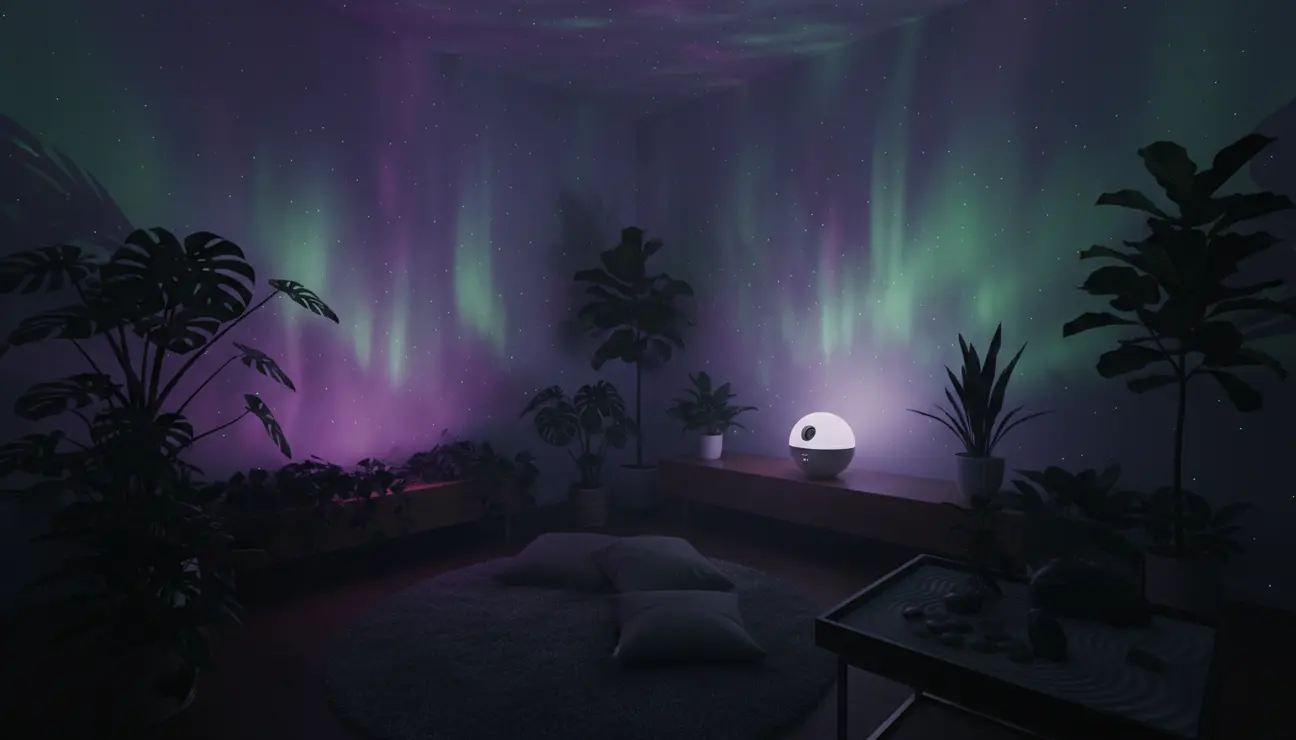
A few years ago, the “sunset lamp” took the internet by storm, projecting a simple orange circle onto walls to mimic the golden hour. In 2026, this trend has matured into sophisticated atmospheric projection systems that do far more than cast a static color. The new wave of “horizon lights” and “aurora projectors” utilizes complex lenses and slowly rotating internals to create dynamic, living art on your walls. These devices are no longer cheap plastic gadgets found in novelty stores; they are high-end design objects capable of washing an entire wall in a slow-moving gradient of deep blues, magentas, and soft violets, mimicking the mesmerizing shift of the northern lights or a deep oceanic abyss.
The psychological impact of these dynamic projections is profound. Unlike a painted feature wall, which is static, a light-projected feature wall moves at a subliminal pace, providing a “soft fascination” that helps decompress the mind after a day of staring at high-contrast screens. By aiming a high-quality projector at a blank corner or ceiling, you effectively dissolve the physical boundaries of the room. The ceiling feels higher, the walls feel less confining, and the space feels fluid. This trend is particularly vital for windowless rooms or smaller spaces, as it introduces an artificial horizon that tricks the brain into perceiving vastness where there is none.
To integrate this trend without it looking like a college dorm, concealment is key. The projector hardware itself should be hidden behind a sofa, atop a high shelf, or nestled among plants. The goal is to see the light, not the source. When executed correctly, atmospheric projection turns a plain white wall into a canvas of shifting emotion, providing a backdrop that is perfect for meditation, listening to music, or simply existing in a state of calm.
The “Invisible” Glow: Diffused LED Architecture
The days of sticking a strip of exposed LEDs to the ceiling and seeing the individual dots of light are over. The current viral aesthetic is all about “spotless” diffusion. This trend, often referred to as “phantom lighting” or “glow architecture,” involves using high-density COB (Chip on Board) LED strips or neon flex housed in aluminum channels with milky diffusers. The result is a continuous, solid bar of light that looks like a laser beam or a glowing gas rather than a string of Christmas lights. This technique is being used to outline architectural features, creating a futuristic yet warm “floating” effect for furniture and fixtures.
The most transformative application of this trend is under-furniture lighting. By running a diffused warm-white strip under a sofa, bed frame, or media console, you visually lift the heavy furniture off the floor. This creates a sense of airiness and space. Similarly, installing these strips along the back of a headboard or behind a wall-mounted television creates a soft halo that reduces eye strain and adds depth to the room. The “boring” room usually suffers from flatness; adding layers of light behind and under objects introduces a three-dimensional quality that feels premium and custom-designed.
Furthermore, this trend has moved into the structure of the room itself. Renters and homeowners alike are using adhesive crown molding that houses these LED channels, directing light upward onto the ceiling. This “cove lighting” effect bounces light off the ceiling and back down into the room, creating a soft, shadow-free illumination that renders the overhead “big light” obsolete. It provides enough ambient light to navigate the room and socialize without the harshness of direct downlighting, perfectly encapsulating the sanctuary vibe.
Cordless Sculptural Lamps: The Nomadic Light
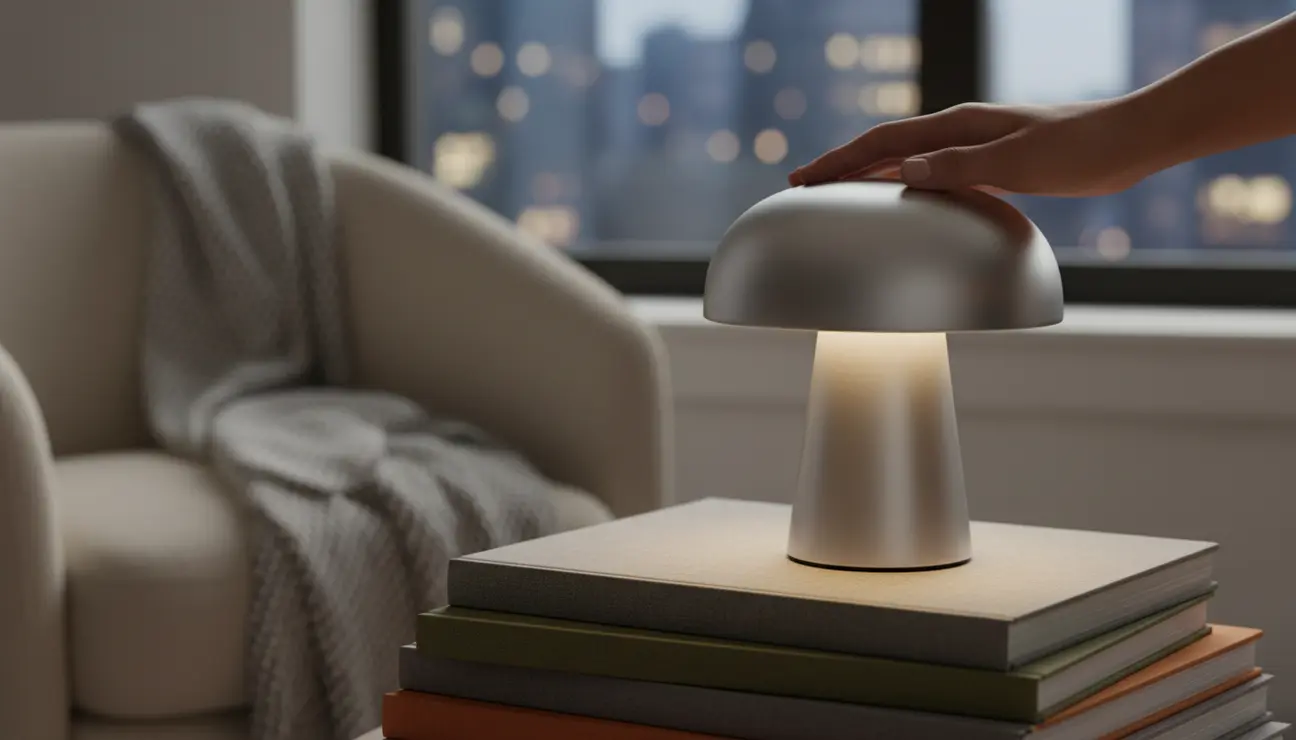
One of the most practical viral trends of 2026 is the explosion of high-design, portable table lamps. Battery technology has improved significantly, allowing for powerful, long-lasting lamps that do not need to be tethered to a wall outlet. This “nomadic lighting” trend allows you to carry your sanctuary with you. These lamps are often sculptural in nature—shaped like mushrooms, geometric totems, or minimalist bells—acting as art pieces during the day and intimate light sources at night. Because they are cordless, they can be placed in the center of a dining table, on a floating shelf, or on the edge of a bathtub, areas previously inaccessible to lamps without ugly extension cords.
The magic of the portable lamp lies in its ability to create a “pool of intimacy.” In a large, boring room, space can feel undefined and cold. By placing a small, warm lamp on a side table or coffee table, you create a focal point that draws people in. It acts as a digital campfire. This trend rejects the idea that lighting must be fixed and permanent. Instead, it embraces flexibility. You can cluster three lamps together for a bright reading corner or scatter them across the room for a low-light cocktail atmosphere.
From an aesthetic standpoint, the materials used in these lamps—alabaster, brass, matte powder-coated steel—add texture to the room. The trend emphasizes tactile interaction; many of these lamps are dimmed by touch, requiring a physical connection to the object to alter the mood. This tactile quality grounds the user in the physical space, reinforcing the feeling of the room as a retreat from the digital world.
Biophilic Light Mimicry: Bringing Nature Indoors
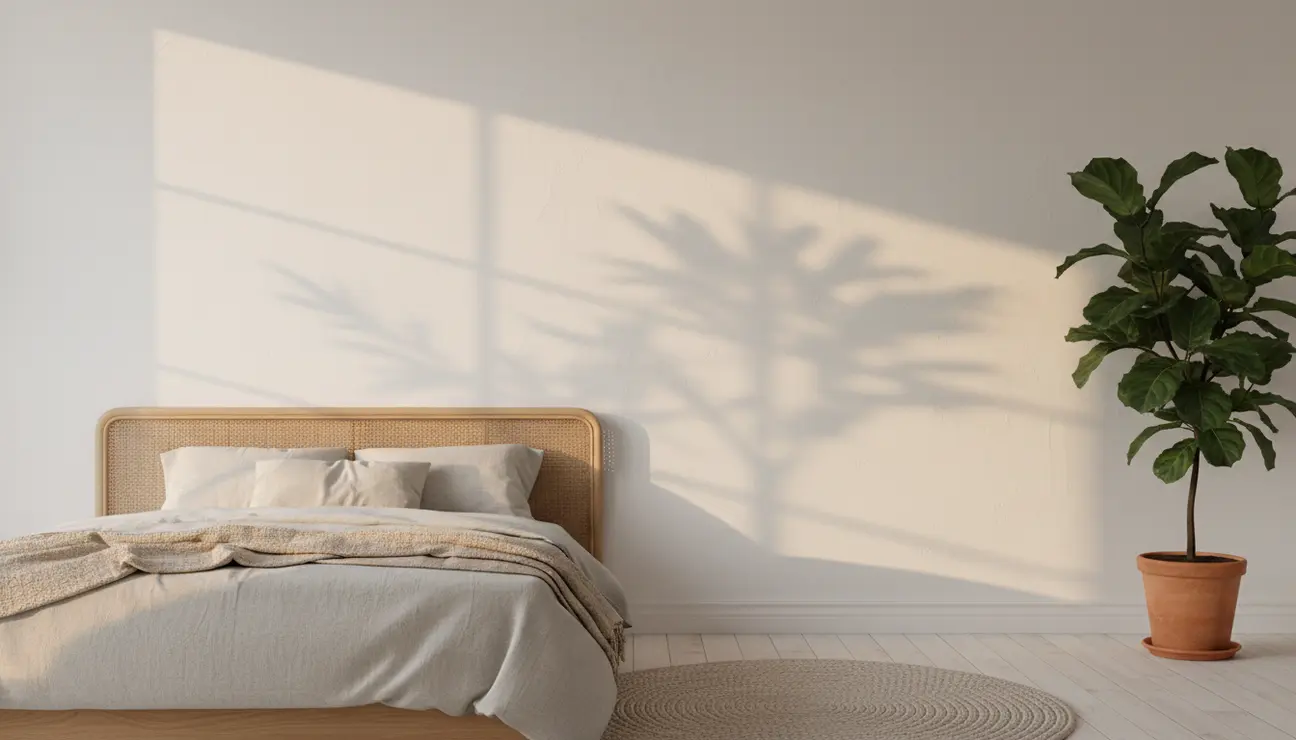
Biophilia, the human innate desire to connect with nature, has heavily influenced lighting trends. We are seeing a surge in fixtures designed to mimic the behavior of natural light filtering through trees or reflecting off water. “Dappled light” projectors and lamps use perforated shades or irregular glass to cast shadows that resemble sunlight shining through a canopy of leaves. When these shadows hit a wall or floor, they break up the monotony of plain surfaces with organic, random patterns that are deeply soothing to the human brain.
This trend addresses the sterility of modern box-like rooms. A plain beige room is uninspiring, but a beige room with the shadow of a swaying branch projected across it feels alive and connected to the outdoors. Another variation of this is the “water ripple” light, often used in bedrooms or bathrooms. These rotating glass cylinders cast moving caustics that look like sunlight hitting the bottom of a swimming pool. The effect is hypnotic and aquatic, instantly lowering the heart rate and creating a spa-like atmosphere.
Integrating biophilic lighting is about subtlety. It should not overpower the room like a disco ball. Instead, it should be used as an accent in a corner or across a hallway. It works exceptionally well when paired with real indoor plants. Shining a focused spotlight through the leaves of a real Monstera or palm plant creates natural, sharp shadows that grow and shift as the plant moves with the air currents in the room. This analog approach to biophilic lighting is timeless and effectively blurs the line between inside and outside.
The Digital Window: Smart Panels and Faux Skylights
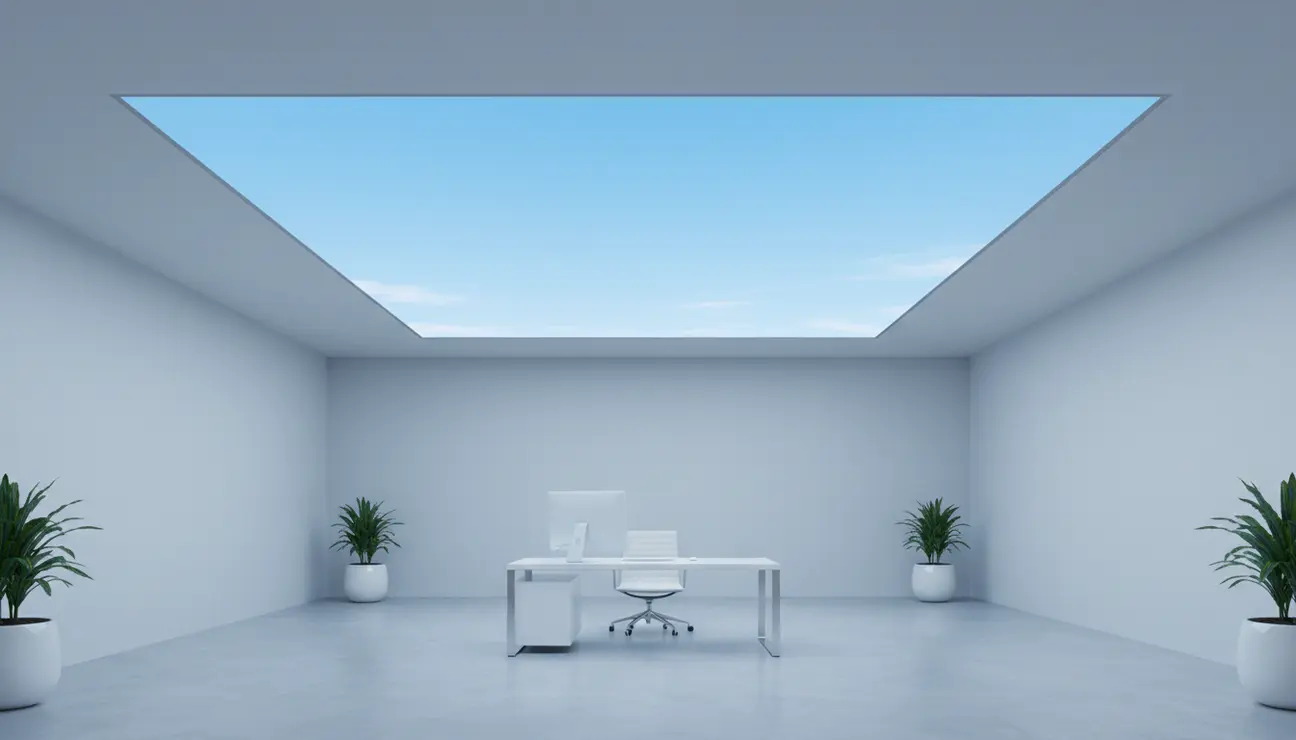
For rooms that suffer from a lack of natural light—basements, internal bathrooms, or apartments facing brick walls—the “digital window” trend has become a viral sensation. This involves using high-definition, high-brightness LED panels that realistically simulate a window or skylight. Unlike standard screens, these panels are tuned to the specific Kelvin temperature and brightness of natural daylight, and they often include framing that mimics a real window sash. In 2026, these panels can sync with the actual weather outside or be programmed to follow a perfect, idealized circadian rhythm, moving from a bright blue sunrise to a deep amber sunset.
This trend is transformative because it corrects the biological confusion caused by dark rooms. By installing a faux skylight panel on a kitchen ceiling or a “window” panel in a dark home office, you reintroduce the visual cue of the horizon. High-end versions of this trend use “Rayleigh scattering” technology, which physically scatters light to create a perceived infinite depth, making the blue sky look miles away rather than two inches from the surface.
While this is the most high-tech of the trends, it is deployed to achieve a primal feeling: the comfort of daylight. It turns a claustrophobic, boring box into an open, airy sanctuary. For content creators and remote workers, these panels also serve as perfect video lighting, providing a soft, wrap-around illumination that looks great on camera while boosting energy levels during the workday.
Conclusion
The shift toward these viral lighting trends represents a broader desire for control over our environments. We are no longer satisfied with lighting that simply allows us to see; we demand lighting that helps us feel. By moving away from the harsh overhead glare and embracing atmospheric projection, diffused glows, portable intimacy, biophilic patterns, and simulated nature, we reclaim our homes from the mundane. A sanctuary is not defined by square footage or expensive furniture, but by the atmosphere that fills it. These lighting choices offer the most direct path to altering that atmosphere, turning the simple act of flipping a switch into a ritual of comfort and restoration. The boring room is a blank canvas, and light is the medium through which it becomes a masterpiece of mood.
