
Blog
Can’t Switch Off? Your 2026 Guide to Healthy Tech Habits for Deep Sleep and Real Rest

Your Path to Peaceful Evenings
- The blue light from late-night screen use is disrupting your sleep cycle and fuelling burnout.
- A ‘Digital Sunset’ routine, centred around managing your environment’s light, can help your mind and body naturally prepare for restorative rest.
- The most effortless way to begin is by automating this process, shifting your room’s light from cool and energising to warm and calming.
The 11 PM Scroll: When a Long Day Never Truly Ends
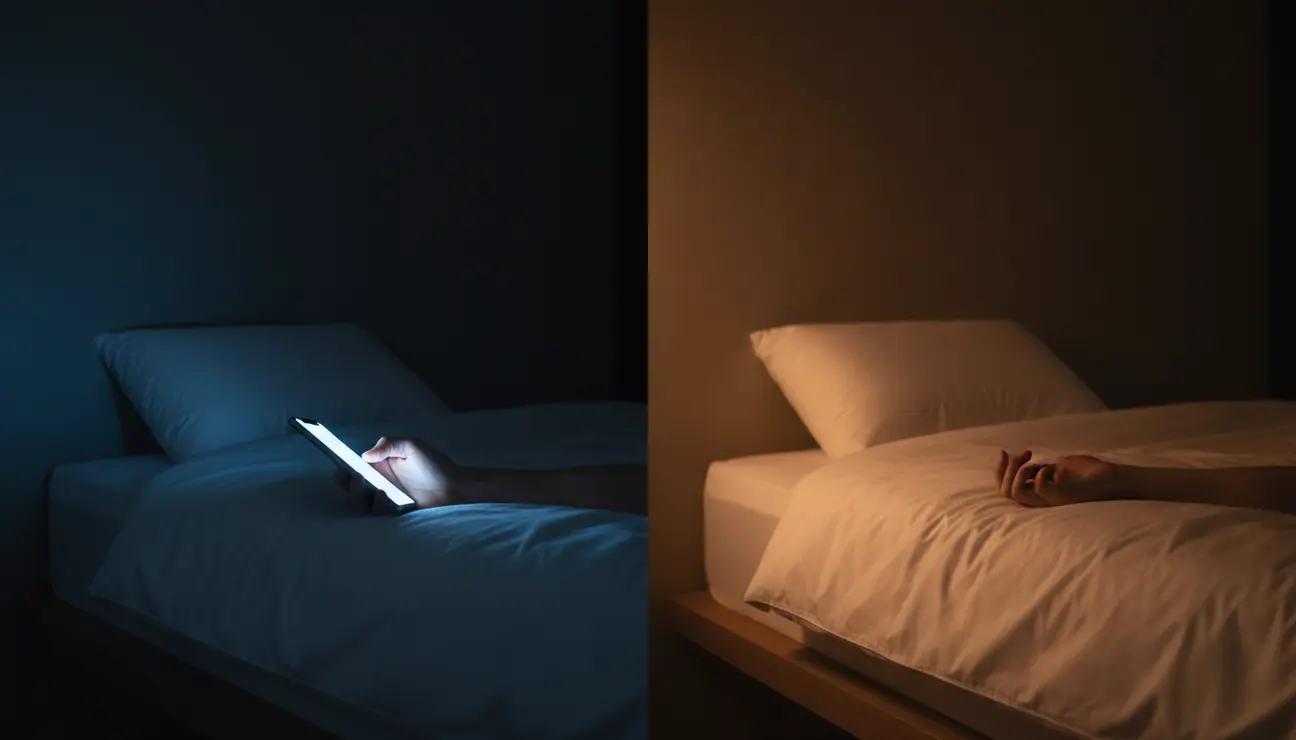
Look at the image of the restless professional on the left, her face illuminated by the harsh blue light of her phone. This is the modern portrait of being ‘tired but wired’. The laptop is closed, but the mind is still racing, endlessly refreshing emails or social feeds.
You can likely feel the familiar sensations: a faint headache behind the eyes, the tension of digital eye strain, and a low-level anxiety that buzzes just beneath the surface. It is the feeling of a day that never truly gets a full stop, preventing the deep relaxation you have earned.
Ready to Create Your Sanctuary?
Effortlessly shift your environment from stressful to serene with lighting that calms.
Is This Guide for You?
This is for the dedicated professional who feels ‘always on’. It’s for anyone who ends their day with a mind still running at full speed, struggling to create a meaningful separation between work and rest.
If you yearn to reclaim your evenings for genuine peace and recovery, you are in the right place. This is not about adding more rules to your day, but about finding a gentler way to wind down.
The Hidden Cost of Your Evening Screen Habit
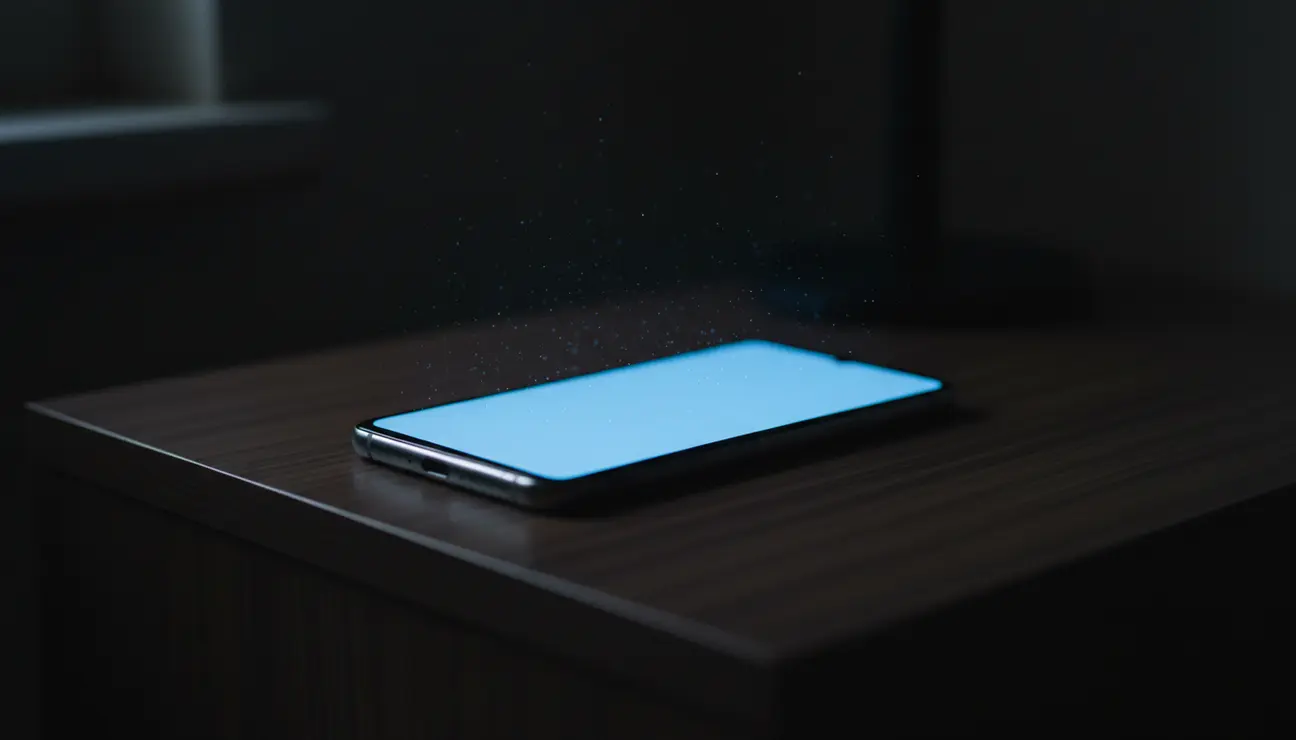
The struggle to disconnect is not a personal failing; it’s a direct consequence of not having healthy tech habits in place. It is a biological response. When you engage with screens late at night, your brain receives powerful signals to stay alert.
Notifications and work emails keep your cortisol (the stress hormone) levels elevated, preventing your nervous system from relaxing. Simultaneously, the specific blue-toned light from these devices actively suppresses melatonin, the hormone that signals to your body it is time to sleep.
The hidden cost is not just one poor night’s sleep. It is a recurring cycle of daytime fatigue, reduced focus, and a deepening sense of burnout that chips away at your well-being.
Three Healthy Tech Habits to Reclaim Your Rest
The goal is to create calm, not to add another item to your to-do list. Think of these not as strict rules, but as gentle, restorative practices designed to guide your body and mind towards the rest they need.
Create a ‘Digital Sunset’ Ritual
Choose a time, perhaps 9 PM, that marks the end of your digital day. This is when all work-related devices are put away for the night. The key is to create a clear boundary that signals to your brain that the day’s tasks are complete.
Replace scrolling with a calming, non-screen activity. Read a physical book, listen to a calming playlist, or perform a few gentle stretches. This simple routine becomes a powerful cue for your mind to begin unwinding.
Designate a ‘Bedroom Sanctuary’
The next step is to reclaim your bedroom as a space purely for rest. This means making it a strictly screen-free zone. The most effective way to achieve this is to charge your devices in another room, like the kitchen or living room.
This single change removes the temptation for that ‘one last check’ which so often turns into an hour of lost sleep. It reinforces the boundary between your active day and your restful night, allowing your mind to associate the bedroom with peace alone.
Shift Your Light, Shift Your Mindset
Willpower alone can be draining, especially when you are already feeling burnt out. The smartest approach is to change your environment so that it works for you, not against you.
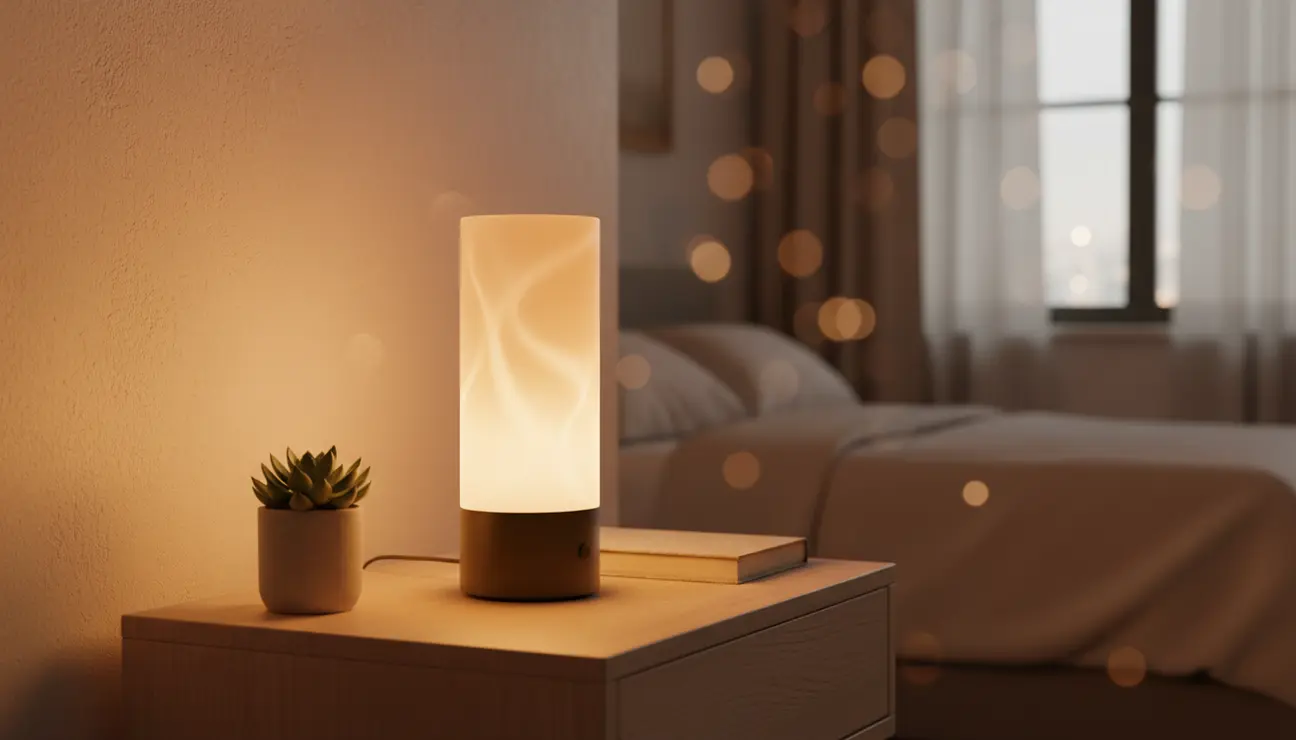
Modern screens and overhead lighting flood our evenings with artificial, blue-toned light that screams ‘daytime’ to our brains. The Zentic Twilight Lamp is designed to solve this problem effortlessly. It automatically shifts the light in your space from a cool, clear white to a warm, soft amber throughout the evening, perfectly mimicking a natural sunset.
This simple environmental cue is profound. It helps to lower cortisol, reduce eye strain, and allows your body’s natural melatonin production to begin. It doesn’t just light your room; it signals to your entire being that it’s time to rest.
> Mindful Moment: Notice the quality of light in your space. Cool, harsh light encourages alertness and focus. Warm, soft light promotes relaxation and calm.
Your Easiest Path to Calm
While creating a new routine and a screen-free bedroom are valuable, these healthy tech habits require conscious effort. For the professional already feeling the strain of burnout, the most effective solution is the one that requires the least energy to implement.
The Zentic Twilight Lamp is the foundational step that makes all other habits easier to adopt. It automates the process of winding down, making a calm, restful state the default in your home. It is a simple, passive investment in your rest that pays dividends in your waking hours.
Your 3-Step Action Plan for Healthy Tech Habits
1. Choose your ‘digital sunset’. Decide on a time this evening when screens will be put away.
2. Find a new home. Locate a new charging spot for your phone and laptop, outside of the bedroom.
3. Notice the light. After dark, observe the lighting in your room. Consider how a shift to warmer, softer tones would make you feel.
Frequently Asked Questions (FAQ)
What if I miss an urgent work email after I switch off?
Setting boundaries is key to managing expectations with colleagues. An out-of-office auto-reply after a certain hour can communicate your working times clearly. True emergencies are rare and will likely find you through other means; most emails can wait until morning.
How long will it take for these habits to improve my sleep?
While deep physiological changes take time, you will likely feel an immediate sense of relief tonight. The simple act of creating a boundary and reducing harsh light can bring a feeling of calm and control back to your evenings. Focus on these small, immediate wins.
Are e-readers like a Kindle also bad for sleep?
There is a significant difference. E-ink screens, like those on a Kindle Paperwhite, are not backlit; they reflect ambient light in the room, much like a physical book. However, backlit LCD or OLED screens on tablets and phones emit light directly towards your eyes, which is what suppresses melatonin. For evening reading, an e-ink device is a far better choice than a tablet or phone.
Find Your Calm
Discover our curated collection of technology designed to reduce anxiety and restore balance to your day.
