
Blog
The Hidden Germs on Your Tech: Why You Need an Ultrasonic Cleaner

It is a detail we often choose to ignore, but the devices we touch thousands of times a day are biologically active landscapes. We scroll through social media while eating lunch, type on keyboards after riding public transit, and press phones against our faces immediately after shaking hands with strangers. While we are diligent about washing our hands, the technology those hands interact with remains largely neglected. Studies have consistently shown that the average smartphone carries ten times more bacteria than a public toilet seat, and computer keyboards can harbor even higher concentrations of grime. In 2026, where hygiene awareness is at an all-time high, relying on a microfiber cloth and a quick spray of alcohol is no longer sufficient. To truly sanitize the intricate, crevice-filled designs of modern technology, we need a solution that goes beyond the surface: the ultrasonic cleaner.1
This technology, once reserved for jewelry stores, dental labs, and industrial manufacturing, has found its way onto the desks of tech enthusiasts and hygiene-conscious professionals. An ultrasonic cleaner uses high-frequency sound waves to create a cleaning action that is physically impossible to replicate by hand.2 It does not just wipe away smudges; it blasts microscopic contaminants out of the deepest recesses of your gear.3 As our devices become more integrated into our lives—and as we become more aware of the invisible ecosystems living upon them—the ultrasonic cleaner is transitioning from a luxury tool to an essential component of modern tech maintenance.
The Microscopic Menace on Your Desk
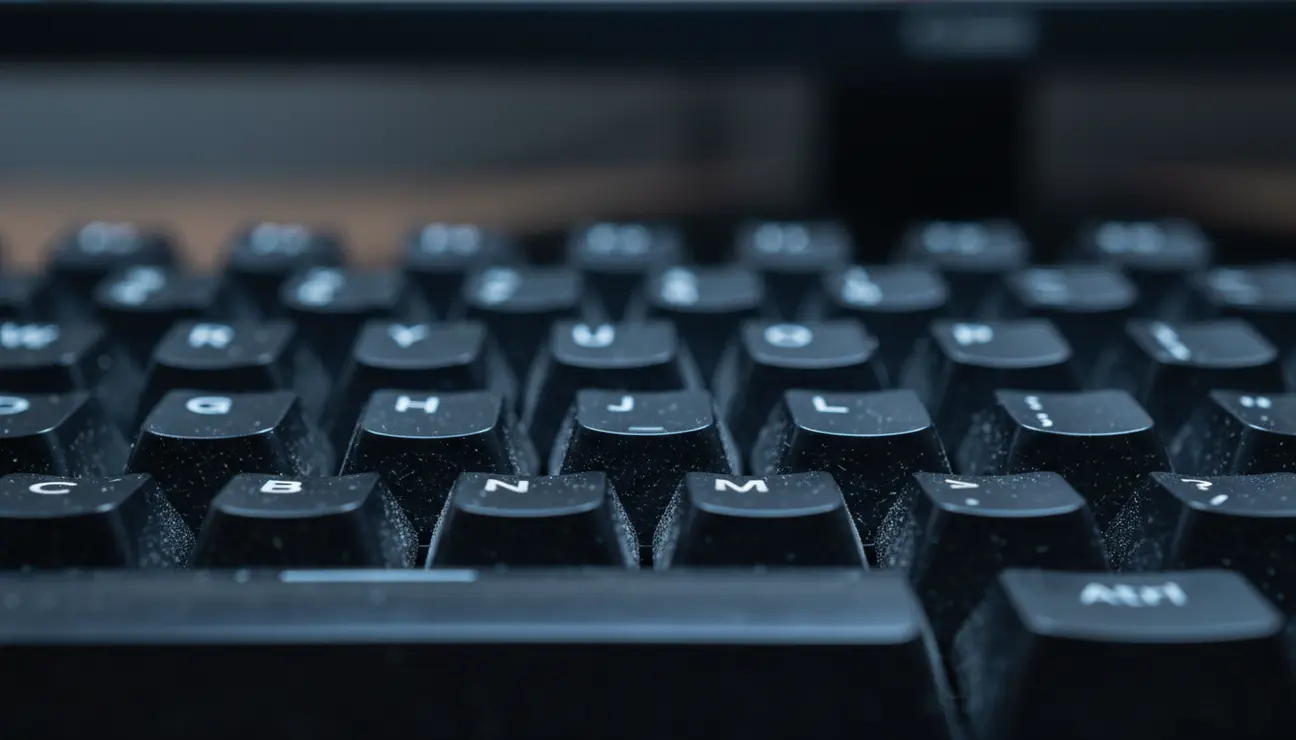
To understand the necessity of ultrasonic cleaning, one must first confront the reality of what lives on our devices. The warmth generated by batteries and processors, combined with the oils and dead skin cells from our fingertips, creates a perfect petri dish for bacterial growth. Pathogens such as Staphylococcus aureus, E. coli, and various strains of influenza virus can survive on glass and plastic surfaces for days. On a mechanical keyboard, the situation is even more dire. The gaps between keycaps become reservoirs for crumbs, hair, and dust mites, which in turn feed bacterial colonies.
The problem with traditional cleaning methods is that they are superficial. When you wipe a screen or a keyboard with a disinfectant wipe, you are primarily addressing the flat, accessible surface areas. Often, the mechanical action of wiping simply pushes debris further into the seams and switches of the device. This “impacted grime” can eventually lead to mechanical failure—sticky keys, clogged charging ports, and muffled microphone grilles. But beyond the functional risk, there is the biological feedback loop: you wash your hands, touch your dirty mouse, and immediately re-contaminate yourself. Breaking this cycle requires a cleaning method that operates at a microscopic level, reaching areas that no cloth or cotton swab can penetrate.
The Science of Sound: How Cavitation Works
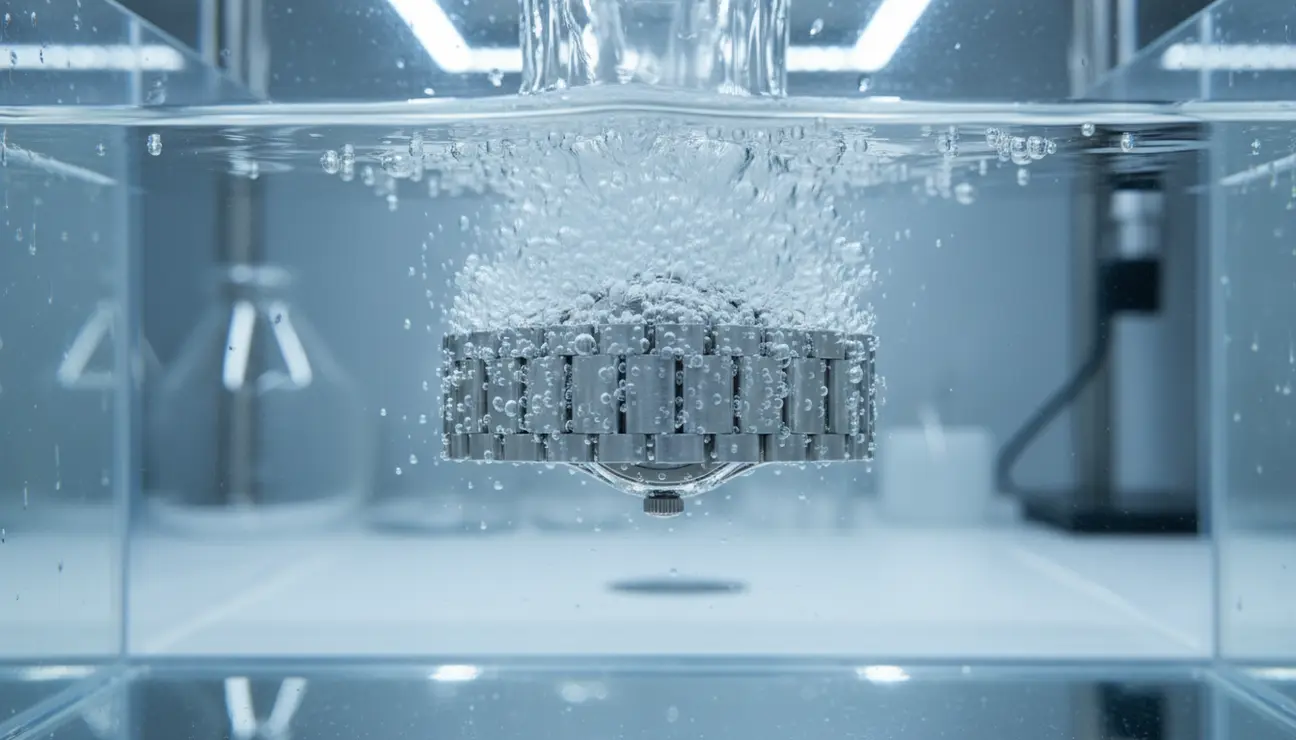
The magic of an ultrasonic cleaner lies in a physical phenomenon known as cavitation.4 These machines do not rely on harsh scrubbing or abrasive chemicals.5 Instead, they use a transducer to transmit high-frequency sound waves—typically roughly 40,000 Hertz (40 kHz)—through a liquid medium, usually water mixed with a specialized cleaning solution.6 These sound waves create alternating high-pressure and low-pressure waves within the tank.7
During the low-pressure phase, millions of microscopic vacuum bubbles are formed. When the high-pressure wave follows, these bubbles collapse or “implode” with tremendous energy.8 This implosion releases a shockwave of heat and pressure that hits the surface of the object submerged in the tank.9 While these explosions are microscopic and safe for hard materials, they are violent enough to dislodge dirt, grease, oxidation, and biological matter from the surface.10
This process happens thousands of times per second. Because the bubbles are microscopic, they form everywhere the liquid can reach.11 They materialize inside the tiny threads of a smartwatch band, inside the mesh of an earbud tip, and underneath the scissor switches of a keyboard keycap. The cavitation bubbles act like millions of tiny scrub brushes, blasting away contaminants from the inside out.12 This is why ultrasonic cleaning is the gold standard for sterilization in medical fields; it removes the biofilm that bacteria use to anchor themselves to surfaces, ensuring a level of cleanliness that is mathematically impossible to achieve with manual scrubbing.
What Tech Can (and Cannot) Be Cleaned
A critical distinction must be made before submerging your expensive gear: ultrasonic cleaners are for components, not for powered electronic devices. You cannot place an iPhone, a laptop, or a non-waterproof camera into the tank. The ultrasonic waves will penetrate the seals, and the liquid will destroy the circuitry. The value of the ultrasonic cleaner for tech lies in maintaining the accessories and the removable parts that accumulate the most filth.
The most common use case is for wearables. Watch bands—whether stainless steel, silicone, or ceramic—collect an immense amount of sweat and dead skin. A three-minute cycle in an ultrasonic cleaner will result in a plume of “smoke” drifting away from the band; this is actually dissolved oil and dirt leaving the links. Similarly, silicone earbud tips (removed from the electronic bud itself) can be returned to factory-fresh condition, removing the earwax that degrades sound quality.13
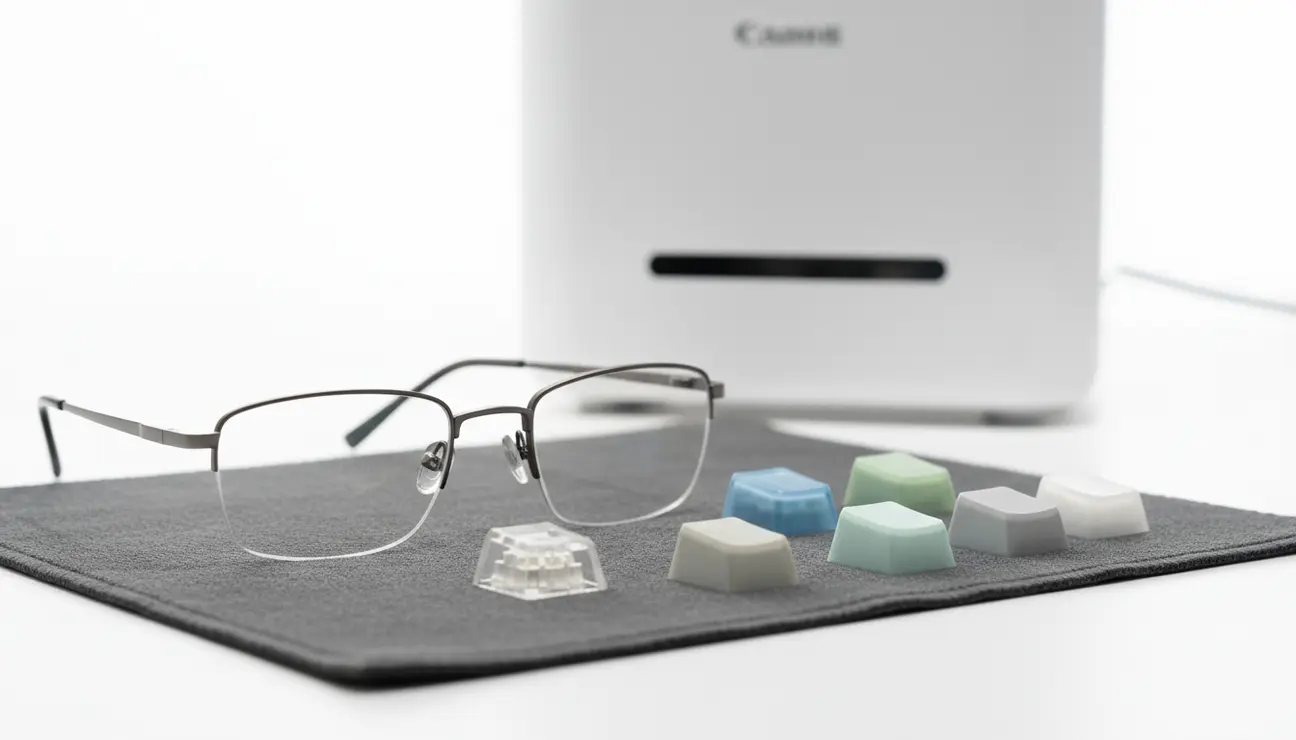
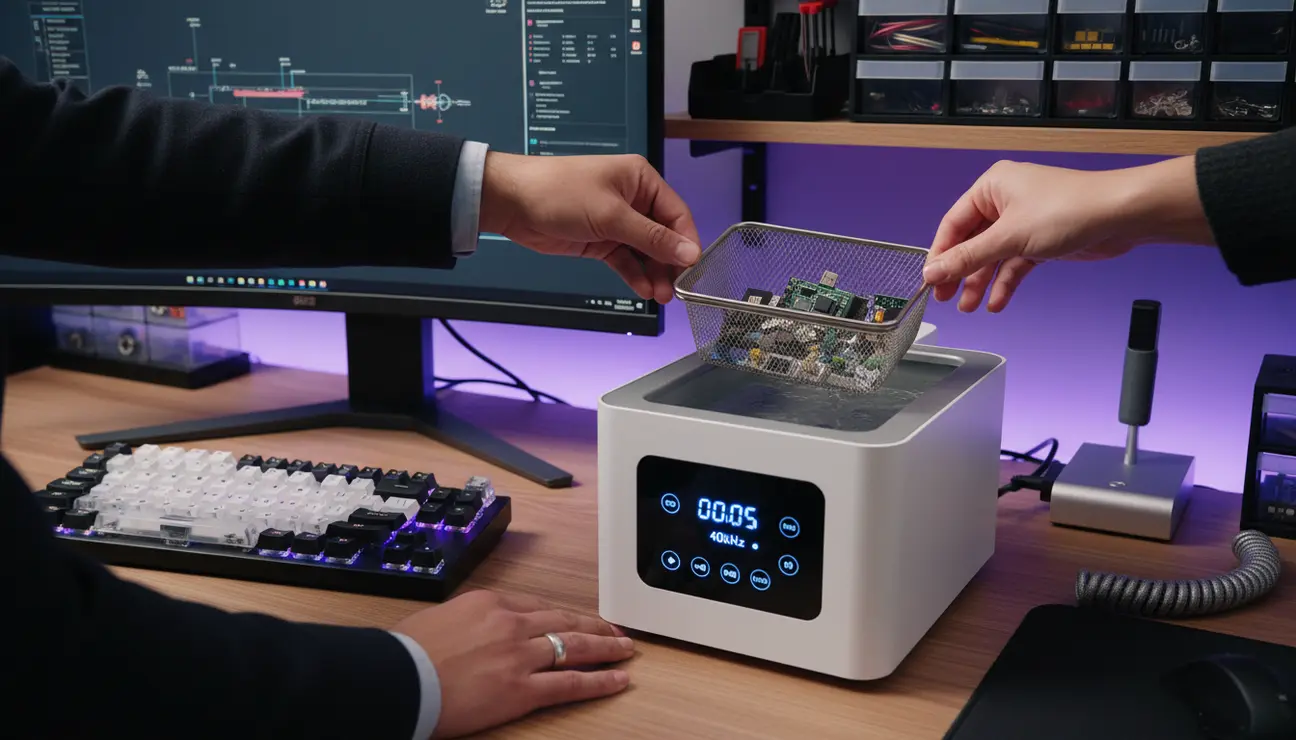
Mechanical keyboard enthusiasts are perhaps the biggest proponents of this technology. Removing the keycaps from a board and running them through an ultrasonic cycle restores their texture and removes the “shine” caused by oil buildup. Furthermore, printed circuit boards (PCBs) that have suffered corrosion or flux residue can be cleaned ultrasonically, provided the user utilizes a specific PCB cleaning fluid and ensures absolute drying afterward.14 This is a common technique in retro-computing restoration to save motherboards that look beyond repair. Even eyeglasses and VR headset spacers (the plastic parts) benefit immensely, as the cavitation removes the facial oils that cause fogging and skin breakouts.15
The Ultrasonic Advantage Over Chemical Wipes
For years, the standard advice for cleaning tech was “use 70% isopropyl alcohol.” While alcohol is an effective disinfectant, it has limitations.16 Repeated exposure to alcohol can degrade the oleophobic (oil-repellent) coating on screens, leaving them prone to permanent smudges.17 It can also dry out rubber seals and cause certain plastics to become brittle or discolored over time. More importantly, alcohol wipes rely on friction. If you are trying to clean the intricate mesh of a microphone port, rubbing it with a wipe often just forces the debris deeper into the mesh, effectively muting your audio.
Ultrasonic cleaning is a “touchless” process. There is no abrasion, meaning there is no risk of scratching glossy plastic finishes or wearing down text on keycaps. The cleaning action is omnidirectional. A wipe only cleans where your finger presses; ultrasonic bubbles clean every square millimeter of surface area simultaneously. This is particularly vital for objects with complex geometries, like the heat sinks on a PC component or the knurled metal on a high-end volume knob.18
Furthermore, ultrasonic cleaners are eco-friendly. They primarily use water and a small amount of biodegradable detergent. This reduces the reliance on disposable wipes, which are often made of non-biodegradable synthetic fibers and contribute to landfill waste.19 By investing in a machine, you are moving away from a disposable cleaning culture to a sustainable, maintenance-based approach.
A Step-by-Step Guide to Deep Cleaning Your Setup
To get the best results and ensure the safety of your components, it is important to follow a structured workflow. Ultrasonic cleaning is powerful, but it requires preparation and patience.
Preparing the Solution and Bath
Fill the tank with warm water. Heat aids the cleaning process by reducing the surface tension of the water and activating the detergent.20 Many high-end ultrasonic cleaners have built-in heaters that maintain a temperature between 40°C and 60°C (104°F – 140°F), which is ideal for breaking down oils and waxes.21 For general tech cleaning, plain tap water is often insufficient. You need a surfactant to help the cavitation bubbles form and to suspend the dirt once it is removed.22 A few drops of mild dish soap work for general plastics, but for specialized tasks like PCB cleaning or removing heavy oxidation from metal parts, dedicated ultrasonic cleaning concentrates are recommended.
Do not overload the basket. The items need to be fully submerged and have space around them for the sound waves to propagate. If you pile fifty keycaps on top of each other, the ones in the center will be shielded from the cavitation action. Place items in a single layer if possible. For very small items like screws or earbud mesh, use a fine mesh holder or a glass beaker placed inside the main tank to prevent them from falling into the drain mechanism.23
The Cleaning Cycle and Frequency
For most tech accessories, a cycle of 3 to 6 minutes is sufficient. You will often see the debris rising off the object like a cloud within the first thirty seconds. If you are cleaning heavily soiled items, such as a second-hand keyboard you are restoring, you may need to run multiple cycles, changing the water in between if it becomes too cloudy. Dirty water dampens the ultrasonic waves, making the machine less efficient.
Be mindful of the frequency. A standard 40 kHz cleaner is the workhorse for most tasks, striking a balance between power and gentleness.24 However, for very delicate items or intricate electronics, a higher frequency (like 80 kHz or 120 kHz) creates smaller bubbles that are gentler on sensitive substrates.25 Conversely, heavily corroded metal parts might benefit from a lower frequency (25 kHz), which creates larger, more aggressive bubbles.26 For the average home user cleaning keycaps and watch bands, the standard 40 kHz machine is perfectly safe and effective.
The Critical Drying Phase
The most important step in cleaning tech components is not the washing, but the drying. Because water is the enemy of electronics, you must ensure 100% moisture evaporation before reassembling any gear. After the ultrasonic cycle, rinse the parts in distilled water. Tap water contains minerals that can leave white spots or conductive residue when they dry.27 Distilled water leaves no trace.
After rinsing, use compressed air or an electric data duster to blow water out of crevices. For keycaps, ensure the stem (the part that attaches to the switch) is completely dry. For PCBs, a drying oven or a long sit in a warm, dry room is mandatory. Never rush reassembly. A single drop of water trapped inside a watch link or under a keycap stem can lead to corrosion or short circuits later.28
Choosing the Right Hardware for the Job
The market is flooded with ultrasonic cleaners, ranging from cheap battery-operated plastic tubs to industrial steel units. For the purpose of tech maintenance, avoid the battery-powered “jewelry vibrators.” These often do not produce true ultrasonic frequencies and merely shake the water, which does nothing for deep cleaning. You need a unit that plugs into mains power and has a rated transducer power of at least 35 to 50 watts.
Look for a stainless steel tank. Plastic tanks absorb ultrasonic energy, reducing the cleaning power, whereas stainless steel reflects the sound waves, creating a standing wave pattern that intensifies the cleaning action. A tank size of 600ml is the minimum for small items like watches and keys, but a 2-liter or 3-liter tank is recommended if you plan to clean larger items like full keyboard plates, VR face gaskets, or multiple items at once.
Features like a digital timer and a “degas” mode are valuable. The degas function pulses the ultrasonic waves to remove trapped air bubbles from the fresh water before the cleaning cycle begins.29 This maximizes the cavitation efficiency. While built-in heaters are nice, they are not strictly necessary if you simply fill the tank with warm water from the tap, though they do help maintain temperature during longer sessions.
Beyond Hygiene: Restoring Value and Aesthetics
While the primary motivation for owning an ultrasonic cleaner is often hygiene, the secondary benefit is aesthetic restoration. Tech gear is expensive. A high-end mechanical keyboard can cost hundreds of dollars; a luxury smartwatch strap can cost just as much. Over time, the accumulation of oil and grime makes these premium items look cheap and worn. “Shine” on plastic keys is often just a layer of oil that can be stripped away. Dull metal bands are often just coated in a film of soap scum and sweat.
By regularly ultrasonically cleaning your peripherals, you maintain their “out of the box” look and feel. This not only increases your enjoyment of the device but also maintains its resale value. A keyboard that has been deep-cleaned and looks brand new will sell for significantly more on the secondary market than one that is visibly grimy. In this sense, an ultrasonic cleaner is an investment that pays for itself by extending the lifespan and value of your technology ecosystem.
The Future of Personal Tech Hygiene
As we move further into a world where we wear our technology on our faces (smart glasses) and on our wrists, the line between “tech” and “apparel” is blurring. We wash our clothes after every wear, yet we wear the same smart watch band for months without cleaning it. This cognitive dissonance is disappearing. The ultrasonic cleaner represents a shift in mindset—a recognition that our digital tools are physical objects that interact with our biology.
Incorporating ultrasonic cleaning into your monthly routine creates a workspace that is not just visually organized, but microbiologically secure. It provides peace of mind knowing that the device you press against your ear or the keys you type on while eating are free from the hidden colonies of bacteria that plague most offices. It is the ultimate upgrade for the modern desk setup—invisible, silent, and undeniably effective.
